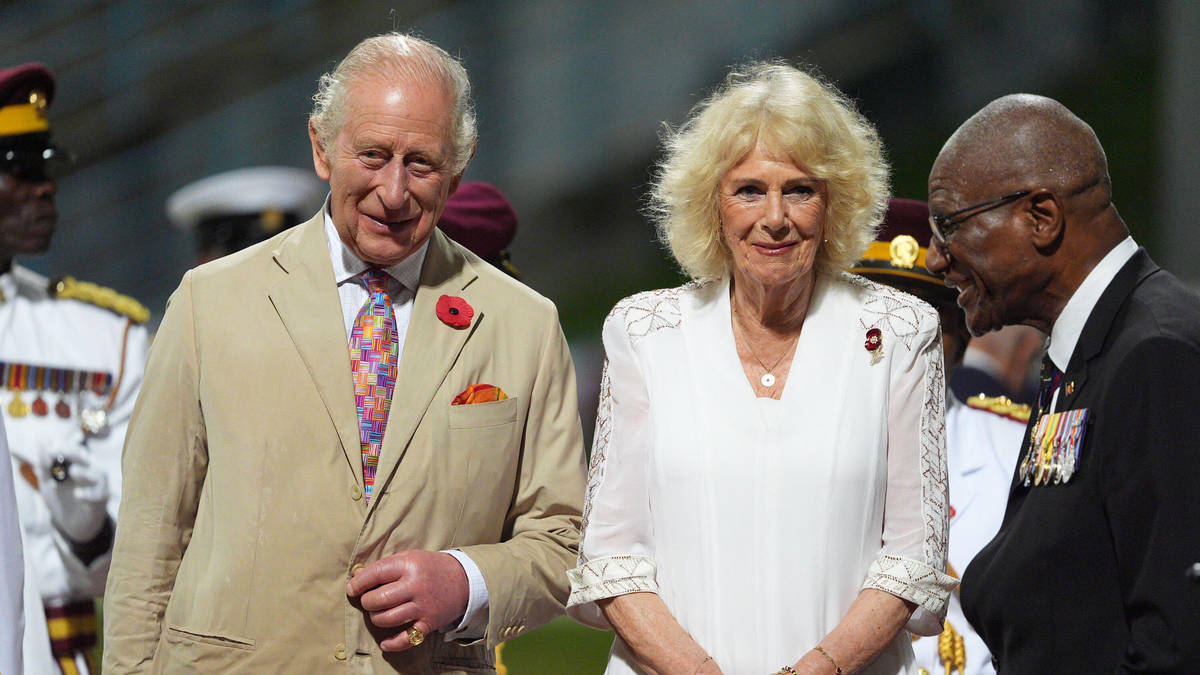
A Call for Change
In a recent development during the King's Caribbean tour, Prime Minister Browne expressed his desire to see Antigua and Barbuda become a republic, removing King Charles from his role as head of state. This statement, made moments after meeting with the royal couple, has ignited discussions on the country's future and its relationship with the British monarchy.
"I can say to you, I am a Republican. So if you asked me about my personal view, I would like to see Antigua and Barbuda become a republic... but I have to recognise and accept the fact that there are certain constitutional provisions to become a republic, and that, ultimately, it is the decision of the people to determine whether or not we become a republic," Browne stated.
The Road to a Republic
Becoming a republic is no easy feat for Antigua. More than two-thirds of Antiguan citizens would need to vote in favor of replacing the British monarch to change the constitution. Browne acknowledged this challenge, stating, "Until such time as the question is put to them, I have to accept that, you know, King Charles remains."
Reparations and the Legacy of Slavery
Browne's remarks come amidst calls for Britain to apologize and offer reparations for its role in the slave trade. He argued that Caribbean countries are not demanding financial compensation from British taxpayers but suggested using the UK's foreign development budget for repatriation funds.
"If there is no compensation, there's likely to be a repeat of those atrocities sometime in the future. And you can see what is happening globally already," Browne added.
A Structured Dialogue
British Prime Minister Andy Burnham has offered a "structured dialogue" with those affected by the transatlantic slave trade, expressing sorrow and regret but ruling out financial reparations. This proposal has been met with mixed reactions, with some Caribbean leaders, like St Lucia's Prime Minister Philip J Pierre, welcoming the dialogue but emphasizing that it cannot exclude the topic of reparations.
A Matter of Sovereignty
The debate over Antigua's constitutional monarchy raises questions about sovereignty and the country's future. While some see it as a symbolic and principled move, others caution against the potential slide into authoritarianism that removing the monarchy could bring. The process of becoming a republic requires creating a new system of checks and balances, a challenging task for any nation.
A Personal Perspective
"I understand the desire for independence, but I don't know if it's a good time to be severing ties while America is trying to own the region," commented one user, highlighting the geopolitical considerations at play.
A Royal Response
It remains to be seen how King Charles will respond to these calls for change. As head of state, he is above party politics and is not expected to offer an apology during his opening address at the Commonwealth summit in Antigua and Barbuda.
The future of Antigua's relationship with the British monarchy hangs in the balance, with the country's citizens ultimately holding the power to decide their path forward.

