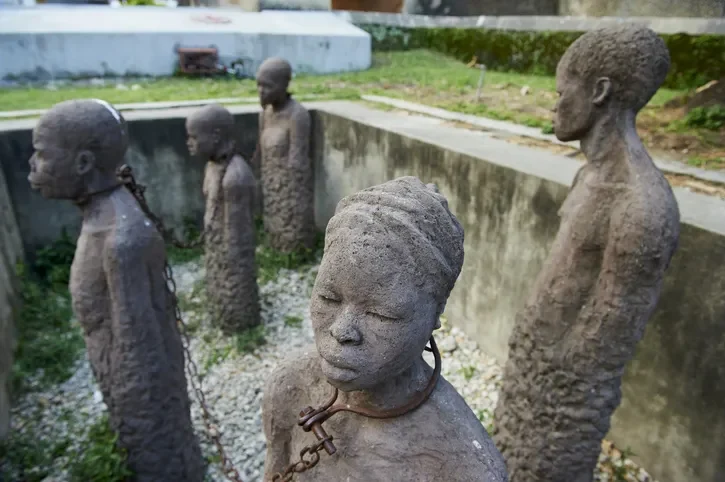
The question of whether the UK should pay reparations for its role in the transatlantic slave trade has sparked intense debate, with a recent YouGov poll highlighting deep divisions among the British public. While a majority of Britons oppose the idea, significant support emerges from ethnic minority groups, particularly black adults, who favor reparations at a rate of 71%. This contrasts sharply with the 66% of white adults who reject the proposal.
A Historical Context
The UN General Assembly’s recent resolution labeling the trafficking of enslaved Africans as the 'gravest crime against humanity' has reignited discussions on reparations. The UK's involvement in the slave trade, which spanned from 1662 to 1807, has left a legacy that continues to shape contemporary attitudes. A UN report in 2023 suggested the UK should pay nearly £19 trillion in compensation to 14 affected countries, a figure that has fueled both outrage and calls for justice.
Public Opinion Split Along Ethnic Lines
The poll reveals a clear ethnic divide, with 50% of ethnic minority adults supporting reparations, compared to 32% who oppose it. Among white adults, opposition stands at 66%. This disparity reflects differing perspectives on historical responsibility and the ongoing impact of the slave trade.
Generational and Political Differences
Age also plays a role in shaping opinions. Younger Britons aged 18-24 are more divided, with 43% in favor and 41% against, while support drops to just 8% among those over 65. Politically, the Greens are the only party with a majority (53%) supporting reparations, while Tory and Reform UK voters overwhelmingly reject the idea, with 82% and 90% opposition, respectively.
Economic Concerns and Moral Arguments
The proposed reparations amount, equivalent to more than six times the UK’s annual GDP, has raised concerns about economic feasibility. Critics argue that modern Britons should not bear the financial burden for actions committed centuries ago. One commenter remarked, 'No one alive in the UK has ever owned a slave. Punishing someone for a crime they never committed is injustice.'
Counterarguments and Nuanced Perspectives
Supporters of reparations counter that the wealth of the UK was significantly built on slavery and colonialism. As one person noted, 'People who weren’t slave holders benefit from the vast amounts of wealth accrued by slave holders and the slave trading State before them.' However, others point out the complexity of historical responsibility, questioning why Europe is singled out when other regions, such as the Middle East and Africa, also participated in slavery.
Practical Challenges and Alternative Solutions
Practical concerns about who would receive reparations and how they would be distributed have also surfaced. Some suggest targeting long-term established wealth through a dedicated tax, while others propose focusing on addressing modern slavery and systemic inequalities. One commenter highlighted, 'In the present day U.K., black women are 4 times more likely to die on a maternity ward than white women.'
The Way Forward
As the debate continues, the poll underscores the need for a nuanced approach that acknowledges historical injustices while addressing contemporary challenges. Whether through financial reparations, targeted policies, or symbolic gestures, the conversation around the UK's role in the slave trade remains a critical and contentious issue in British society.

