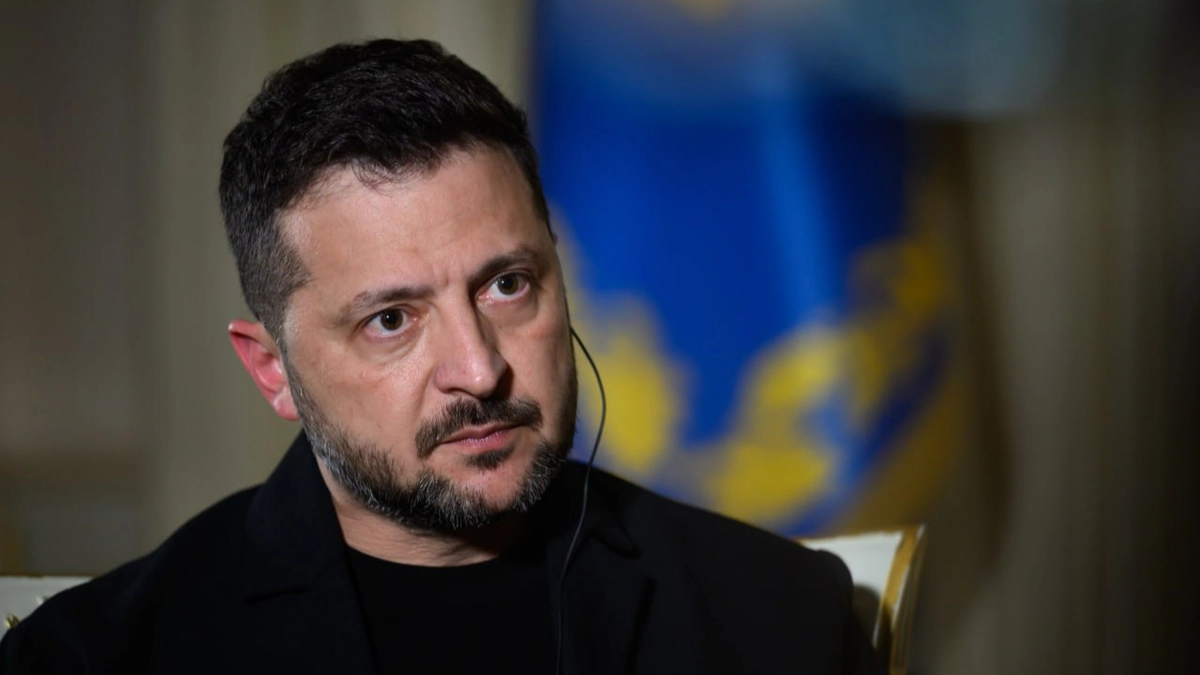
Ukrainian President Volodymyr Zelenskyy has outlined new details regarding Operation Vivaldi, a tactical counteroffensive that has reclaimed between 125 and 140 square kilometers of territory. Speaking on the progress of the campaign, Zelenskyy highlighted a significant shift in operational dynamics, noting that the initiative has forced opposing forces onto the defensive while dramatically increasing their casualties over recent months.
According to Ukrainian official accounts, opposition losses have climbed from an estimated monthly range of 30,000 to 32,000 at the start of the year up to approximately 42,000 casualties per month during the recent offensive phase. Ukrainian leadership emphasized that preparations for Operation Vivaldi were intentionally delayed by a year to ensure adequate equipment, training, and strategic timing, ultimately yielding higher operational success with reduced casualties among advancing units.
Reclaiming Strategic Footholds in Donetsk
Recent military reports illustrate a steady sequence of territorial recovery in the northern sector of Donetsk Oblast. Mid-September updates indicated initial clearing actions covering roughly 85 square kilometers, followed by targeted operations that liberated key settlements, including the villages of Shandryholove and Derylove, alongside full control over Drobysheve.
Commanders on the ground reported significant opposition losses during these engagements, estimating over 2,000 casualties and more than 250 personnel captured during the third phase of the campaign alone. Reclaiming these specific pockets alters the immediate geometry of the front line, preventing opposing forces from easily bypassing key regional strongholds and forcing them to reallocate critical defensive resources.
Strategic Impact Beyond Surface Numbers
While a hundred-plus square kilometers represents a modest fraction of the broader conflict zone, military analysts note that line-of-sight positioning and structural control matter far more than sheer land area. Taking back key salients disrupts offensive momentum, forcing the opposition to decide whether to attempt costly counterattacks or expend resources fortifying secondary positions.
Observer commentary reflects a keen awareness of these operational trade-offs, with many highlighting how tactical gains disrupt broader adversary plans:
"They prevented the Russians from bypassing the Donbas fortress belt by retaking that salient. Now, Russia will either have to retake it or attempt a frontal assault through four heavily fortified cities if it wants to fully control the oblast."
The strategic friction is further compounded by information gaps and rigid chains of command, which frequently hinder timely tactical adjustments on the ground:
"...seeing as everyone was too afraid to report up about what the current situation on the ground was, as they kept making up claims to present things better then they were, leading to Russian Commanders not being able to effectively react to the Ukrainian offensive given their information assymetry."
The Human Context and Wartime Leadership
The ongoing operations also highlight the complex interplay between wartime governance, international support, and domestic civic expectations. While global attention often focuses on high-profile leadership during crisis periods, citizens on the ground frequently stress that long-term resilience rests with the broader population and underlying institutional health.
Reflecting on the challenges of balancing national defense with internal governance, one observer noted:
"I would have preferred foreigners to more support for the Ukrainian people as a whole, rather than for Zelenskyy personally. This would have included putting pressure on him to pass anti-corruption laws and reforms."
Others drew historical comparisons to wartime figures of the past, noting how severe crises demand distinct skill sets that differ from peacetime administration:
"Good president for wartime and international profile, not so much for the hopefully soon peacetime."
As Operation Vivaldi continues, the broader focus remains on sustaining military momentum while navigating the dual challenges of heavy attrition and long-term national reconstruction.

